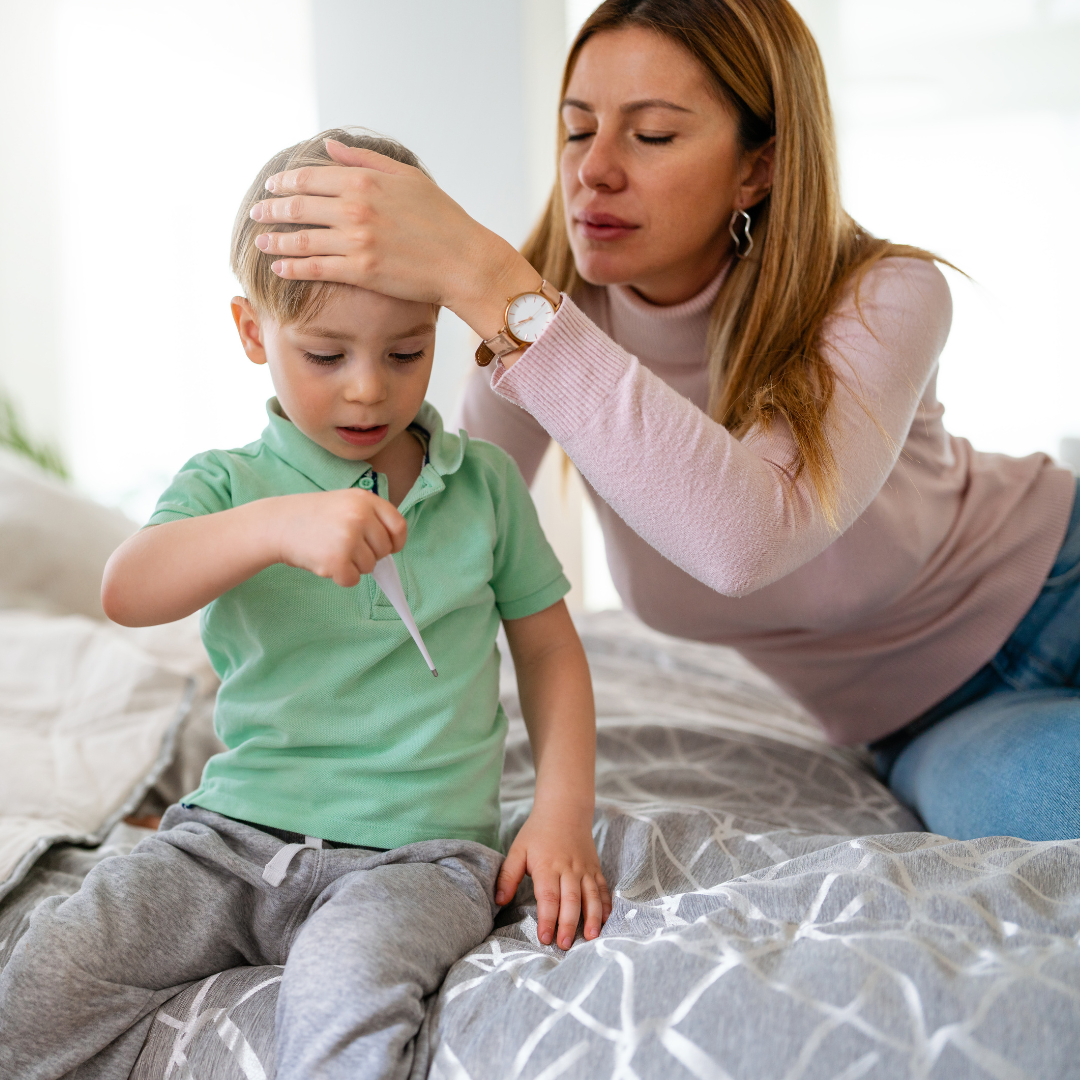


BeHealthy Digital Thermometer Pencil Type
BeHealthy Digital Thermometer Pencil Type
₱75
₱99
Save ₱24
Website exclusive price
Order before 12nn for same-day dispatch · Free shipping on ₱888+
What's in the Box
Thermometer
×1
Battery
Included
User Manual
×1
Couldn't load pickup availability

The reliable everyday thermometer — no modes to switch, no settings to configure. Insert, wait for the beep, read the number. Fast readout, accurate results, and an auto-shutoff so you never have to worry about dead batteries.
The pencil form factor makes it easy to use underarm, orally, or rectally — covering all the measurement sites recommended for different age groups. Clear audio beep confirms when the reading is done, so you don't have to squint at the display in a dark room. A practical, no-fuss option for every household medicine kit.
FDA-registered.
Features
Features
Directions
Directions
Buyer Assurance
FDA-Registered Product
Certified by the Philippine Food & Drug Administration
Certificate available on request
Certified by the Philippine Food & Drug Administration
Certificate available on request
1-Year Warranty — serviced directly by BeHealthy, not a third-party center
7-Day Returns — defective items accepted, no questions asked
Estimated delivery: 1–2 days Metro Manila · 5–7 days provincial
Support: inquiry@behealthy.ph · Facebook Messenger
Trusted by 1,000,000+ customers across the Philippines — and counting
Also available at our physical boutique — Ayala Malls Feliz, Pasig. Try before you buy.
Pay with
COD
GCash
Maya
Visa / MC
Frequently Asked Questions
1
What temperature is considered a fever?
▼
A fever is generally 38°C (100.4°F) or higher. For children under 3 months, any fever of 38°C or above requires immediate medical attention. For older children and adults, fever above 39.5°C should be evaluated by a doctor promptly.
2
Which mode is most accurate — forehead, ear, or underarm?
▼
Ear (tympanic) measurement is the most reliable for everyday home use, followed by forehead (temporal). Underarm readings typically run 0.5°C lower than actual body temperature — add 0.5°C to get a more accurate estimate. Rectal is the most clinically accurate but not practical for home use.
3
Can I use this on a newborn or infant?
▼
Yes — forehead and underarm modes are safe and gentle for newborns. For the most reliable result on babies under 3 months, use underarm mode while the baby is calm and still. Avoid measuring right after bathing or if the baby has been tightly wrapped.
4
Why does my reading seem lower than expected?
▼
Low readings are usually caused by a cold environment, sweat on the forehead, hair covering the sensor, or measuring too soon after the person has been outdoors. Wait 30 minutes after outdoor exposure, ensure the forehead is dry and clear, and take 2–3 readings to confirm.